
Garden Wall Construction in Verona & Madison, WI
Freestanding stone and block walls that give a yard structure, edges, and shape.
Garden Wall Construction in Verona & Madison, WI
Freestanding stone and block walls that give a yard structure, edges, and shape.
Dane County yards aren’t flat. A slope from the driveway to the front door, a drop from the patio to the lawn, a hillside garden you can’t get to safely, all of it needs steps that stay level and don’t shift when the ground freezes and thaws. We build them into the site properly the first time, not set on top of it.
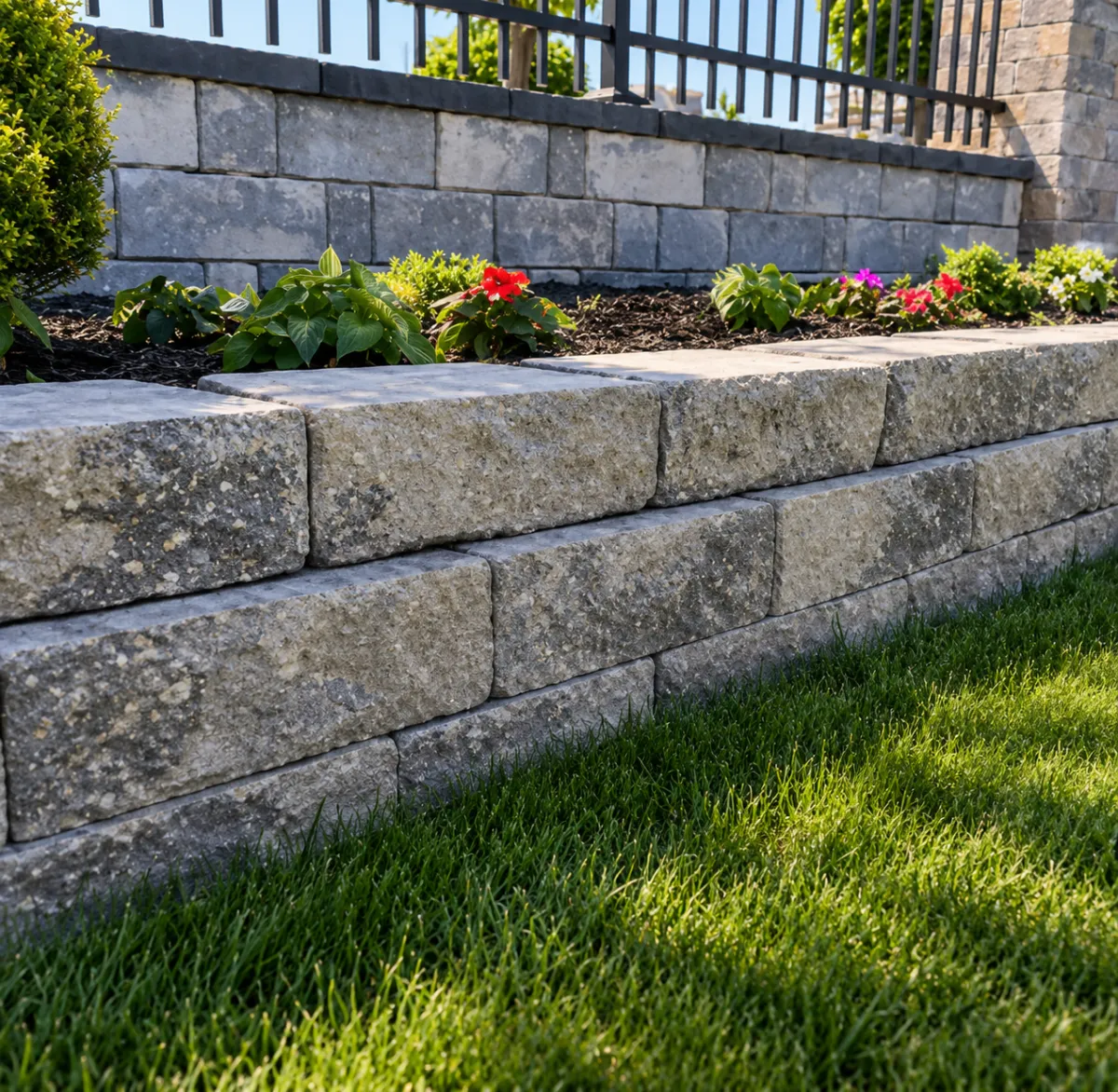
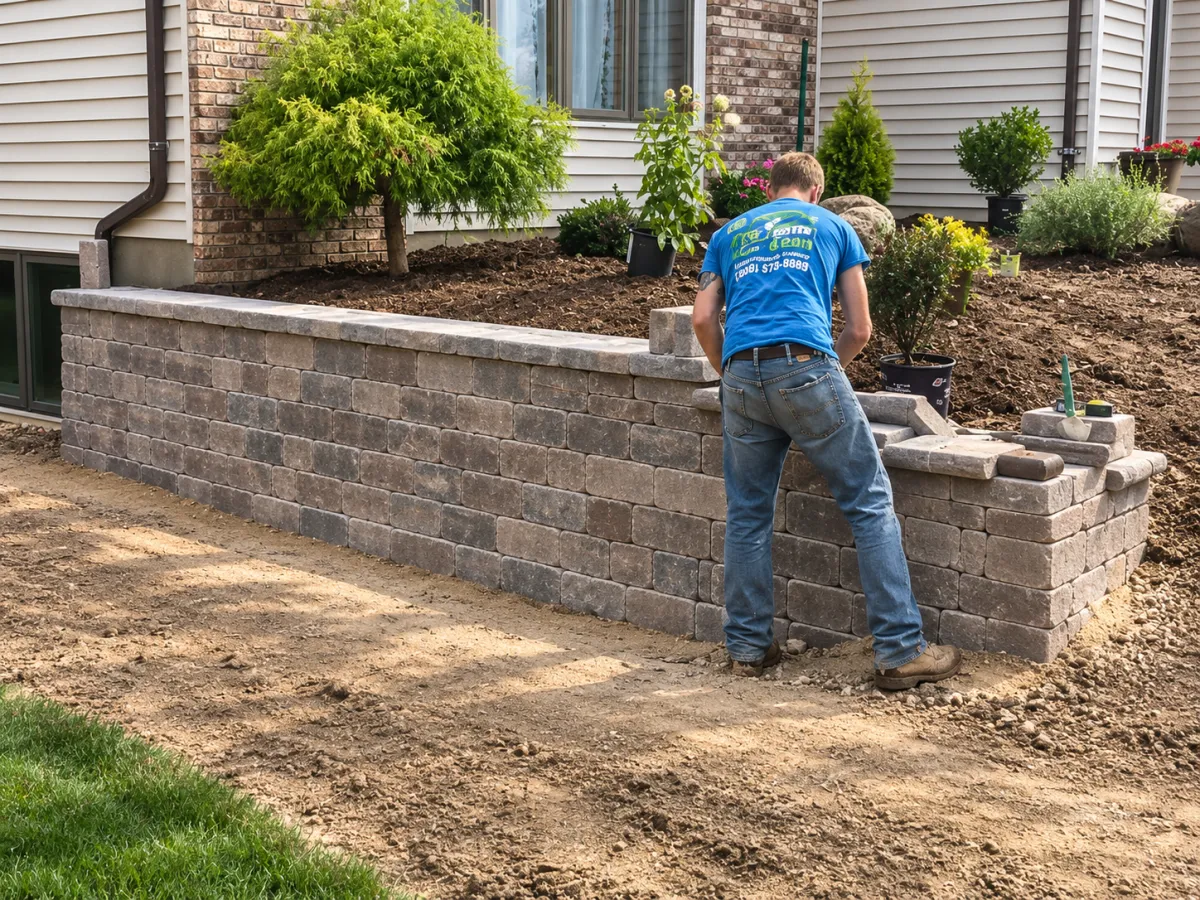
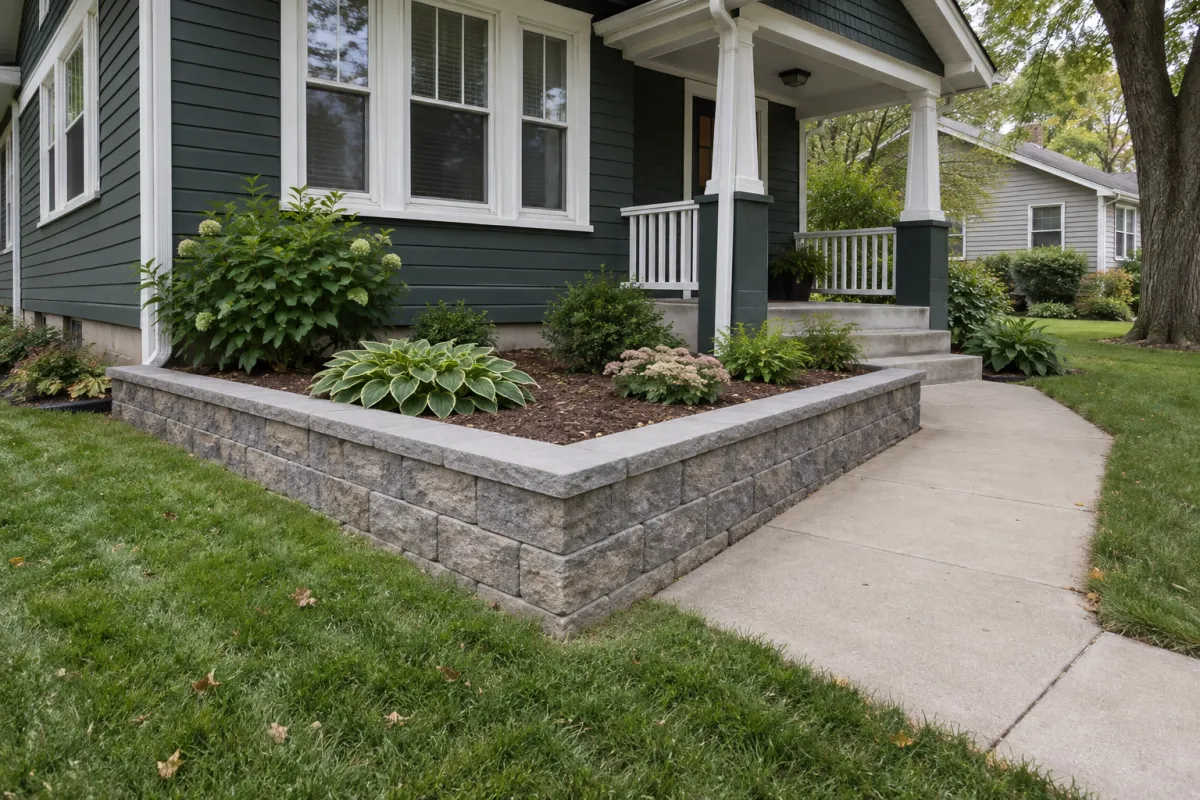
A Garden wall is the one that isn't holding anything back. It defines a planting bed, separates a seating area from a lawn, raises a border to sitting height, or gives a flat yard some shape. Because it isn't carrying a slope, the build is about proportion, material, and a footing that keeps it from moving through winter. If your wall does need to hold back a grade, that's a different job, and it's on our garden retaining walls page.

What Makes a Garden Wall Worth Building
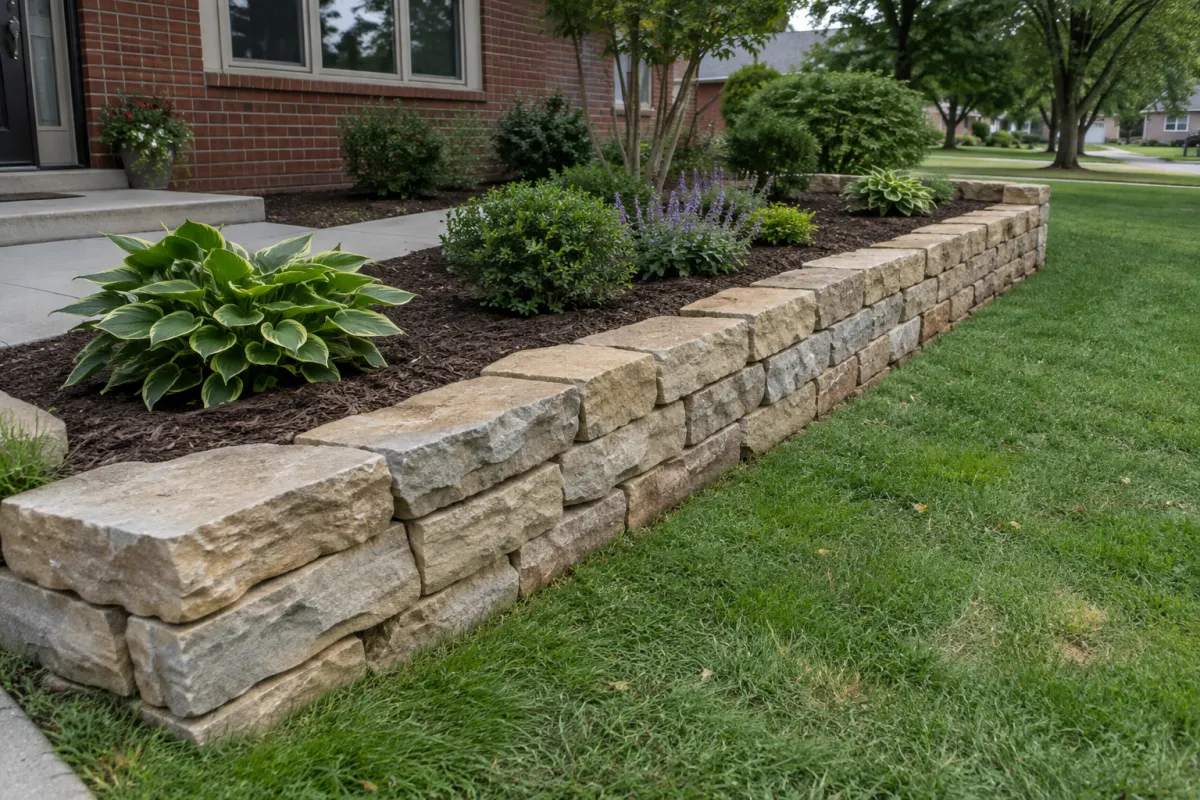
Freestanding, by definition. No soil load behind it. If yours needs to hold a slope, we'll tell you at the site visit and quote it as a retaining wall instead, which is a different build and a different number.
Stone, block, or brick, matched to the house. A garden wall sits in the open where you see all sides of it, so the material and the cap matter more than they do on a wall with dirt behind it.
Licensed and insured. Ask us for proof. Ask everyone you're considering.
A footing that survives winter. Freestanding doesn't mean it can sit on soil. Wisconsin ground heaves, and a wall with no proper base moves whether or not anything is pushing on it.
Matt has been building stonework in Dane County since 2010, and garden walls are the projects where he'll push hardest on proportion, because a wall that's six inches too tall reads wrong for years.
A Garden wall is the one that isn't holding anything back. It defines a planting bed, separates a seating area from a lawn, raises a border to sitting height, or gives a flat yard some shape. Because it isn't carrying a slope, the build is about proportion, material, and a footing that keeps it from moving through winter. If your wall does need to hold back a grade, that's a different job, and it's on our garden retaining walls page.
Dane County yards aren’t flat. A slope from the driveway to the front door, a drop from the patio to the lawn, a hillside garden you can’t get to safely, all of it needs steps that stay level and don’t shift when the ground freezes and thaws. We build them into the site properly the first time, not set on top of it.
What Makes a Garden Wall Worth Building
Freestanding, by definition. No soil load behind it. If yours needs to hold a slope, we'll tell you at the site visit and quote it as a retaining wall instead, which is a different build and a different number.
Stone, block, or brick, matched to the house. A garden wall sits in the open where you see all sides of it, so the material and the cap matter more than they do on a wall with dirt behind it.
Licensed and insured. Ask us for proof. Ask everyone you're considering.
A footing that survives winter. Freestanding doesn't mean it can sit on soil. Wisconsin ground heaves, and a wall with no proper base moves whether or not anything is pushing on it.
Matt has been building stonework in Dane County since 2010, and garden walls are the projects where he'll push hardest on proportion, because a wall that's six inches too tall reads wrong for years.
What Makes a Garden Wall Worth Building
Freestanding, by definition. No soil load behind it. If yours needs to hold a slope, we'll tell you at the site visit and quote it as a retaining wall instead, which is a different build and a different number.
Stone, block, or brick, matched to the house. A garden wall sits in the open where you see all sides of it, so the material and the cap matter more than they do on a wall with dirt behind it.
Licensed and insured. Ask us for proof. Ask everyone you're considering.
A footing that survives winter. Freestanding doesn't mean it can sit on soil. Wisconsin ground heaves, and a wall with no proper base moves whether or not anything is pushing on it.
Matt has been building stonework in Dane County since 2010, and garden walls are the projects where he'll push hardest on proportion, because a wall that's six inches too tall reads wrong for years.
Related Services
Stone Masonry Services for Madison, Verona & the Surrounding Area
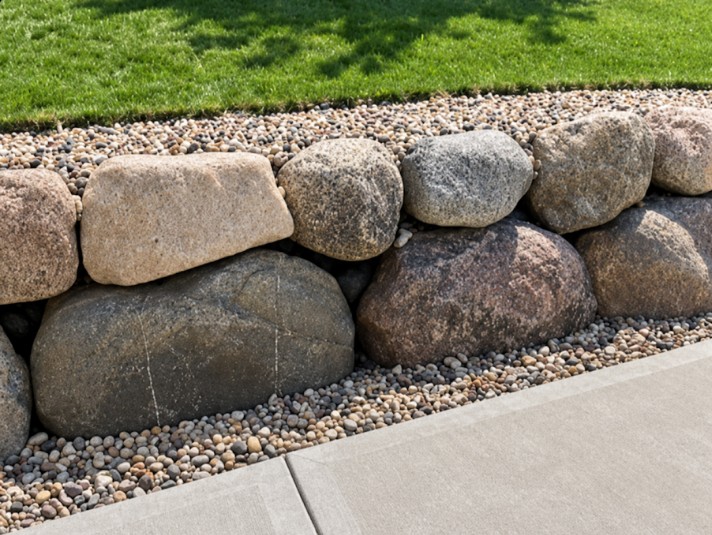
Decorative Stone
Adding stone for visual appeal (borders, accents, features)
Brick and Block Work
General construction using brick or concrete blocks.
Why Garden Walls Lean When Nothing Is Pushing on Them
A freestanding wall has no soil behind it, so when one starts leaning, people assume something went wrong with the stone. It didn't. It went wrong underneath.
Wisconsin ground freezes, lifts, and drops every year. A wall stacked straight onto soil or a few inches of gravel rides that movement, and because it's tall and narrow with nothing bracing it, small movement at the base shows up as obvious lean at the top.
Leaning within a few winters from a base that was never dug below frost depth
Courses separating or sliding because the wall was stacked without a set-back or proper bond pattern
Caps working loose after a season or two and becoming a hazard on a sitting-height wall
A wall built as decorative that was actually holding a grade, which fails much faster and much worse
How we build: The last one is the one worth catching early, and it's the reason we check the grade before quoting anything. For a genuine freestanding wall, it comes down to a footing below the frost line, correct bond and set-back, and caps secured properly. None of that is visible in the finished wall, which is exactly why it's the part that gets skipped.
Wall or Retaining Wall? We'll Tell You at the Visit
Plenty of people call about a garden wall and actually need a retaining wall, or the reverse. We look at the grade first and tell you which one the site calls for, then give you a quote with a real number for that. It's a five-minute answer that changes the price, so it's worth getting right before anyone digs.
Why Garden Walls Lean When Nothing Is Pushing on Them
A freestanding wall has no soil behind it, so when one starts leaning, people assume something went wrong with the stone. It didn't. It went wrong underneath.
Wisconsin ground freezes, lifts, and drops every year. A wall stacked straight onto soil or a few inches of gravel rides that movement, and because it's tall and narrow with nothing bracing it, small movement at the base shows up as obvious lean at the top.
Leaning within a few winters from a base that was never dug below frost depth
Courses separating or sliding because the wall was stacked without a set-back or proper bond pattern
Caps working loose after a season or two and becoming a hazard on a sitting-height wall
A wall built as decorative that was actually holding a grade, which fails much faster and much worse
How we build: The last one is the one worth catching early, and it's the reason we check the grade before quoting anything. For a genuine freestanding wall, it comes down to a footing below the frost line, correct bond and set-back, and caps secured properly. None of that is visible in the finished wall, which is exactly why it's the part that gets skipped.
Wall or Retaining Wall? We'll Tell You at the Visit
Plenty of people call about a garden wall and actually need a retaining wall, or the reverse. We look at the grade first and tell you which one the site calls for, then give you a quote with a real number for that. It's a five-minute answer that changes the price, so it's worth getting right before anyone digs.
Why Garden Walls Lean When Nothing Is Pushing on Them
A freestanding wall has no soil behind it, so when one starts leaning, people assume something went wrong with the stone. It didn't. It went wrong underneath.
Wisconsin ground freezes, lifts, and drops every year. A wall stacked straight onto soil or a few inches of gravel rides that movement, and because it's tall and narrow with nothing bracing it, small movement at the base shows up as obvious lean at the top.
Leaning within a few winters from a base that was never dug below frost depth
Courses separating or sliding because the wall was stacked without a set-back or proper bond pattern
Caps working loose after a season or two and becoming a hazard on a sitting-height wall
A wall built as decorative that was actually holding a grade, which fails much faster and much worse
How we build: The last one is the one worth catching early, and it's the reason we check the grade before quoting anything. For a genuine freestanding wall, it comes down to a footing below the frost line, correct bond and set-back, and caps secured properly. None of that is visible in the finished wall, which is exactly why it's the part that gets skipped.
Wall or Retaining Wall? We'll Tell You at the Visit
Plenty of people call about a garden wall and actually need a retaining wall, or the reverse. We look at the grade first and tell you which one the site calls for, then give you a quote with a real number for that. It's a five-minute answer that changes the price, so it's worth getting right before anyone digs.
What Working With Us Actually Looks Like
You call or fill out the form. We come out, walk the yard with you, and talk through what you’re picturing and what the site will actually allow. You get a quote with a real number, not a range. If it’s a fit, we schedule it and you know who’s showing up.
Want a wall that gives the yard some shape?
Call Madison Green Team at (608) 573-8889 or request a free quote online. We'll look at the grade, tell you honestly whether it's a garden wall or a retaining wall, and give you one number for the right one. Serving Verona, Madison, Middleton, Fitchburg, Sun Prairie, Waunakee, Cross Plains, and Mount Horeb.
HOW WE BRING YOUR OUTDOOR
VISION TO LIFE
Get in Touch
Call 608-573-8889 or use our contact form to tell us about your project.
Plan & Design
We assess your property, discuss your needs, and provide a detailed design or service plan.
Build & Maintain
Our team completes installation or maintenance, keeping your landscape beautiful and functional.
Our Dane County Landscaping Service Areas
Based in Verona, we serve Madison, Middleton, Sun Prairie, Fitchburg, Waunakee, Mount Horeb, Cross Plains, and more.
Not sure if we cover your area?
Give us a call - we likely do.
Contact Us
Monday-Saturday: 7:00AM - 6:00PM
Closed Sunday


