
Landscaping in Verona & Madison, WI
Yard landscaping and mulch installation, built around what grows and holds up here.
A yard that looks good on install day and struggles by the second season usually wasn’t planned for the actual site, sun exposure, soil, and drainage all matter more than which plants you pick. We start there.

Why Dane County Homeowners Hire Madison Green Team for Landscaping
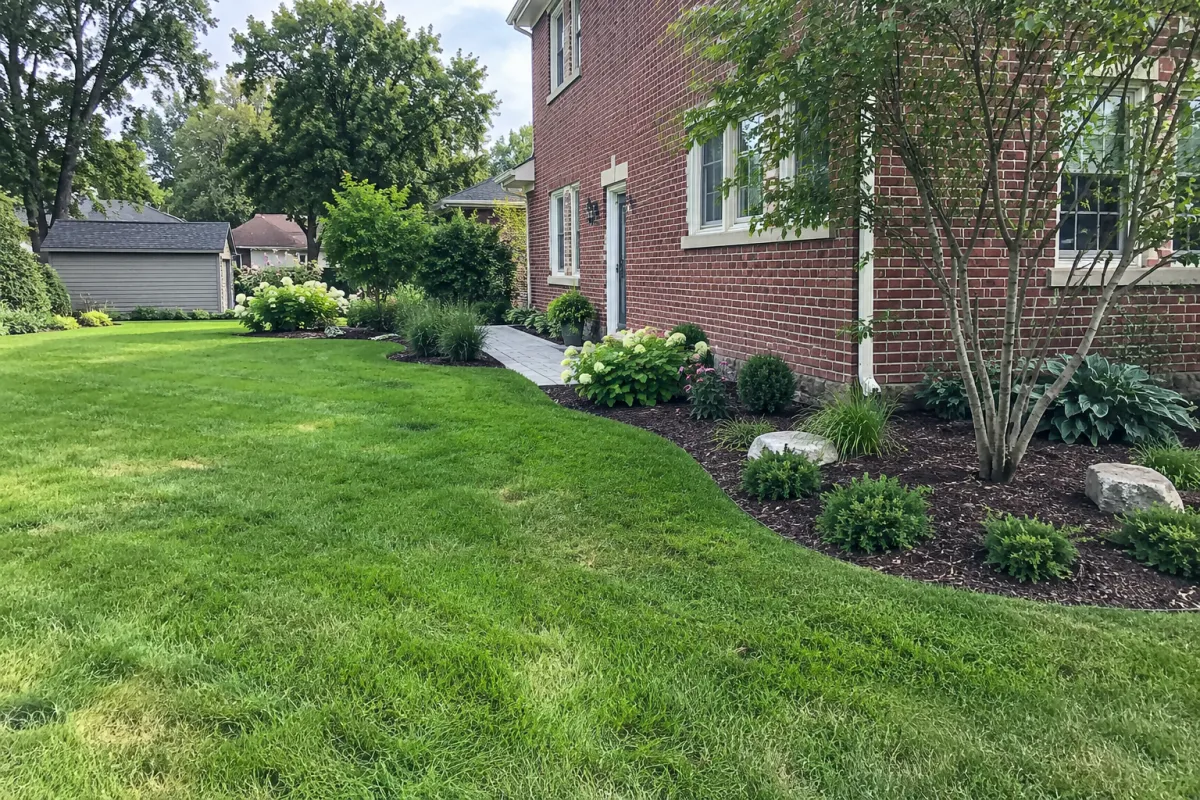
- In business since 2010. Founded by Matt Geier, still run by the same owner.
- 4.8 stars across 44 Google reviews.
- Licensed and insured. Ask us for proof. Ask everyone you're considering.
- Open Saturdays, 7 AM to 6 PM. Most contractors around here aren't. If weekends are the only time you can walk the property with someone, that's when we'll come.
We look at the site before the plant list. Drainage and sun exposure decide what survives here, not preference alone, and Matt has been doing this work himself for twenty-plus years.
Start With What the Yard Needs
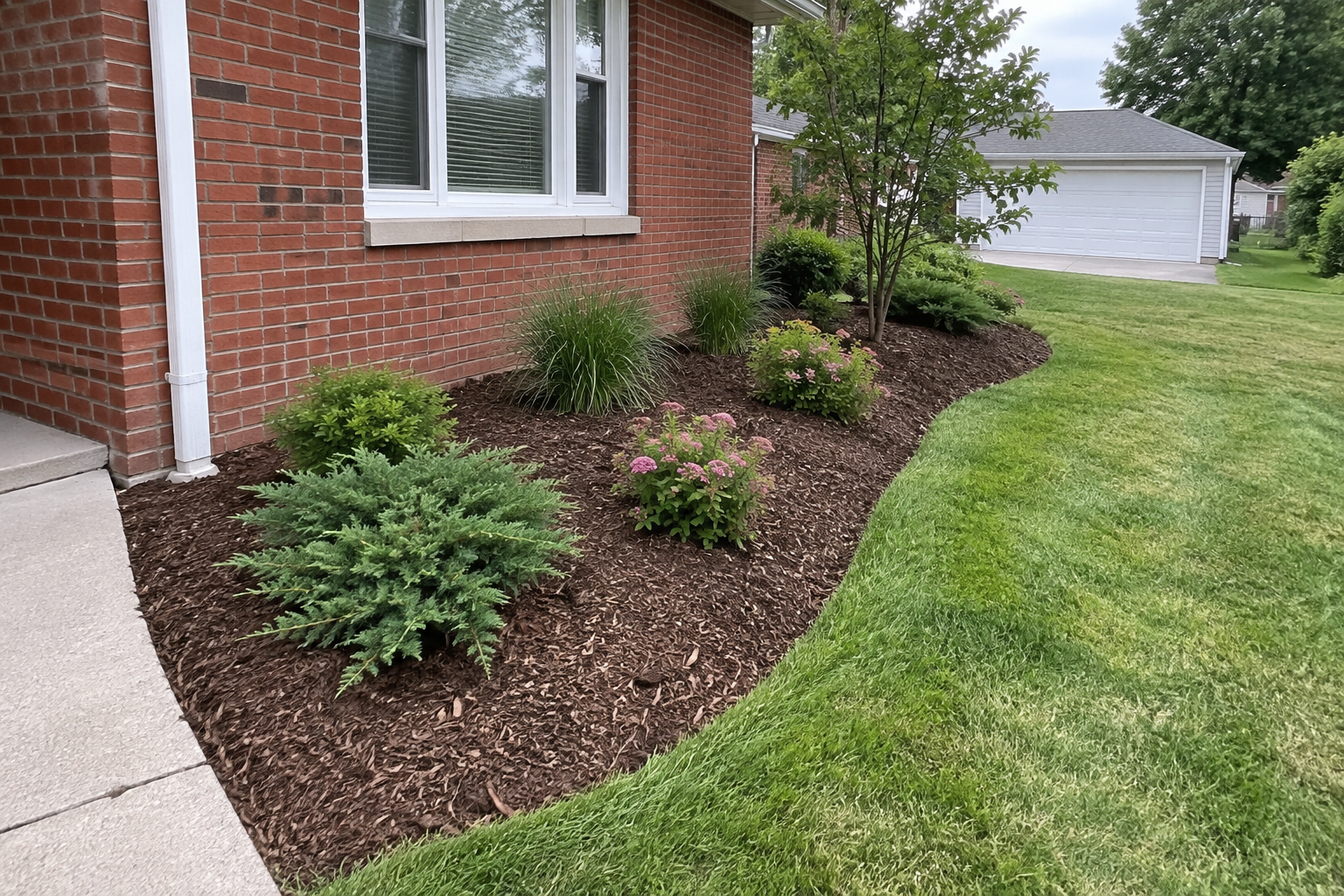
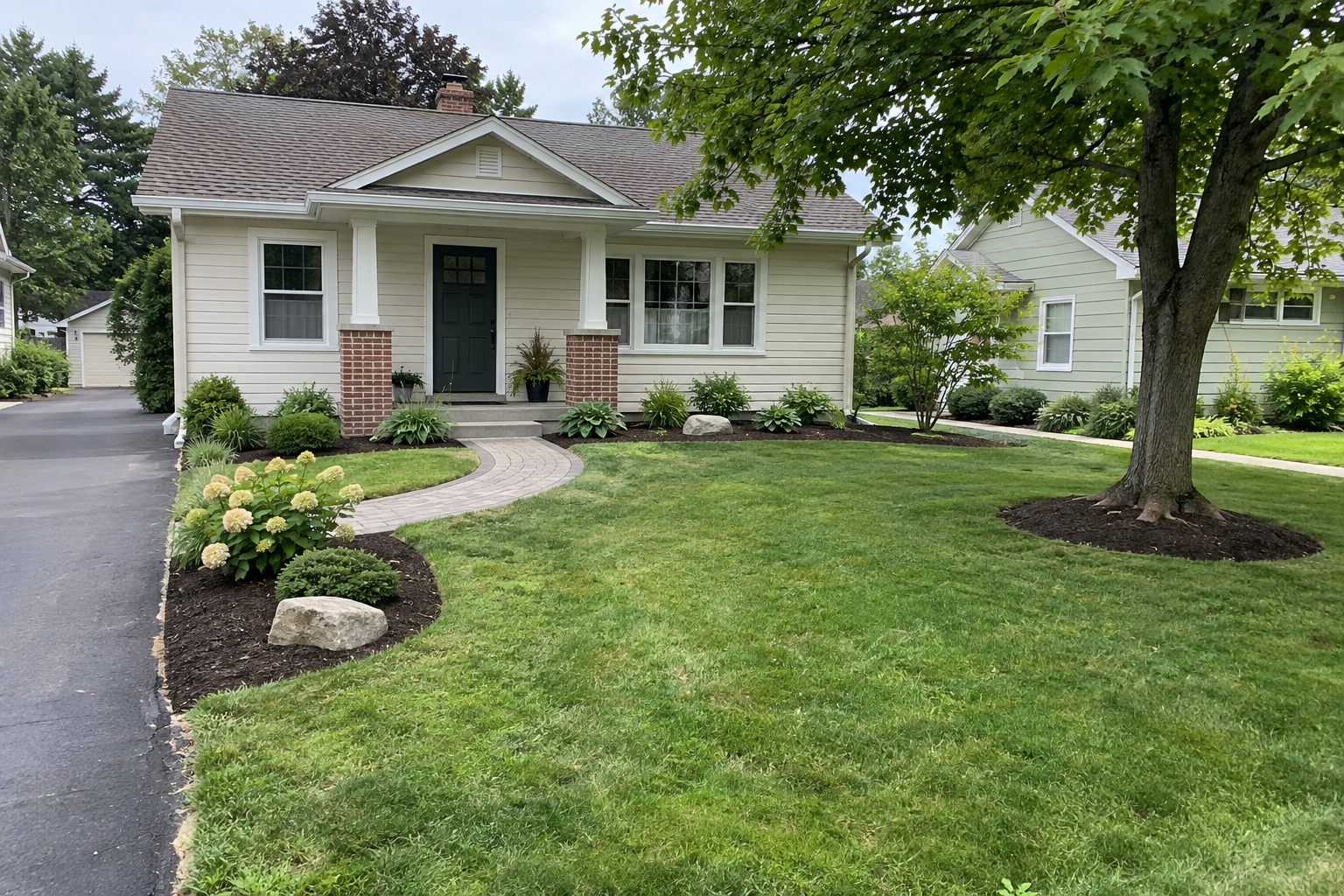
Yard Landscaping
A yard that needs a real plan, not patching.
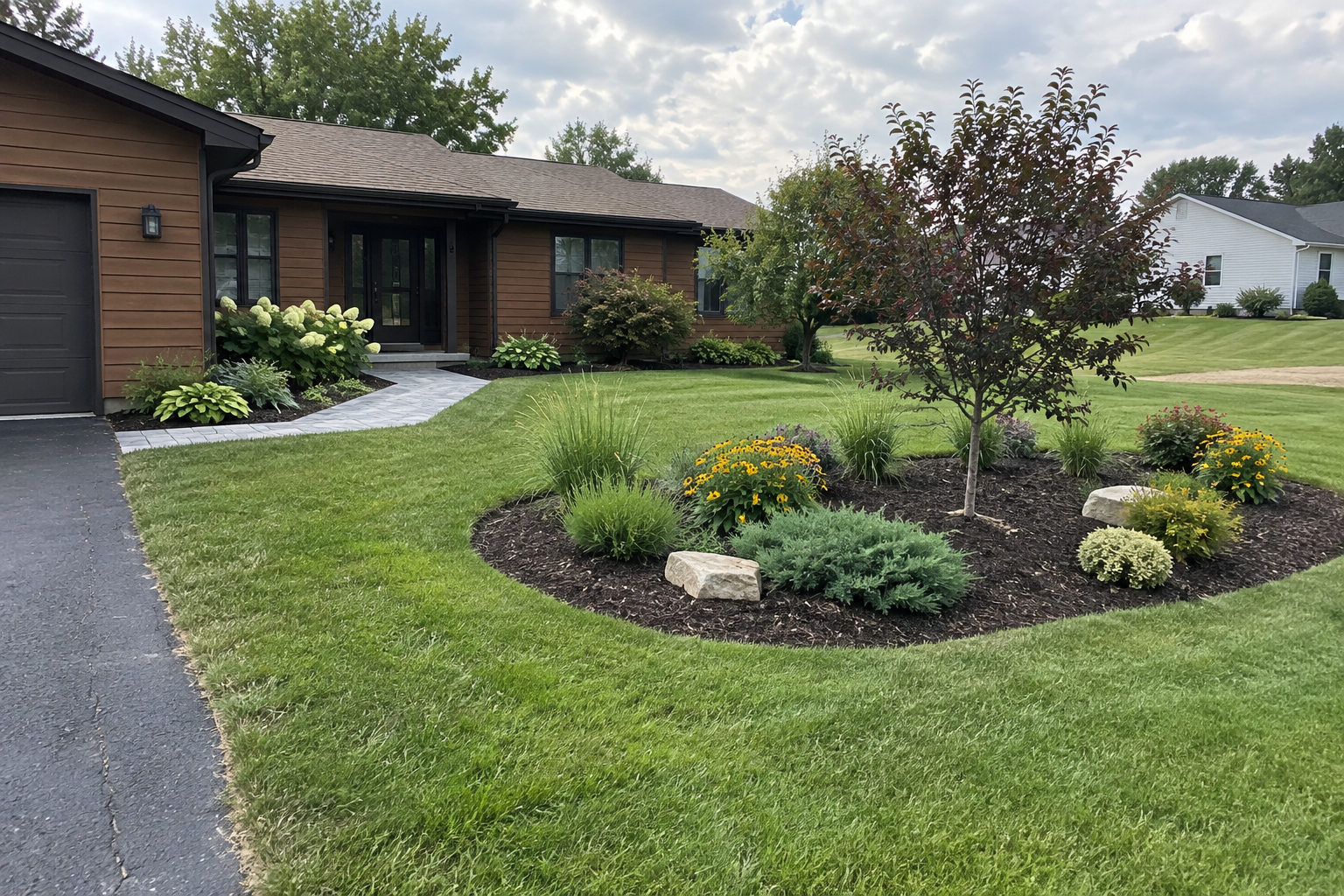
Mulch Installation
Beds that look finished and stay that way.
Our Landscaping Services
Landscaping Services for Madison, Verona & the Surrounding Area
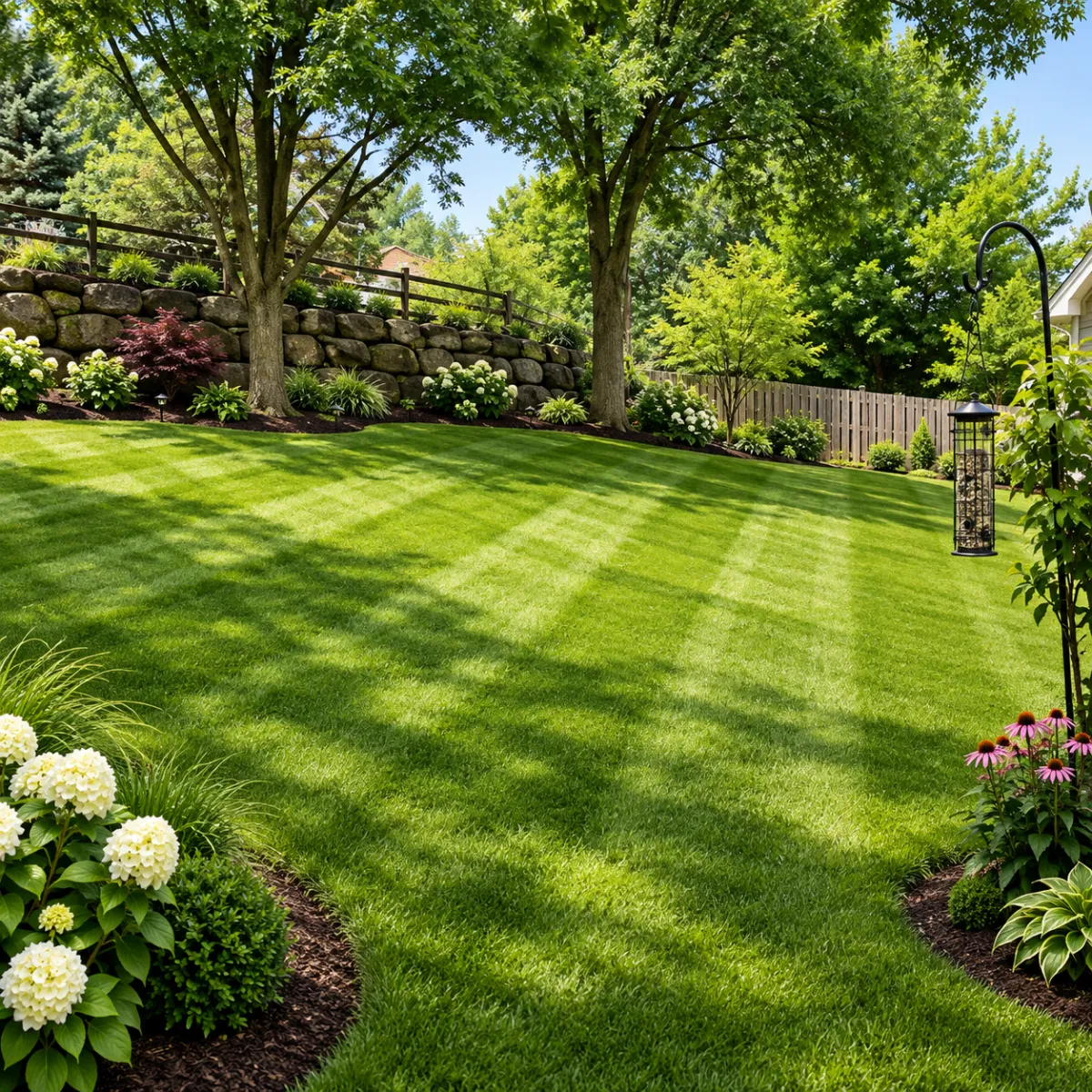
Yard Landscaping
General improvement/design work on a yard.
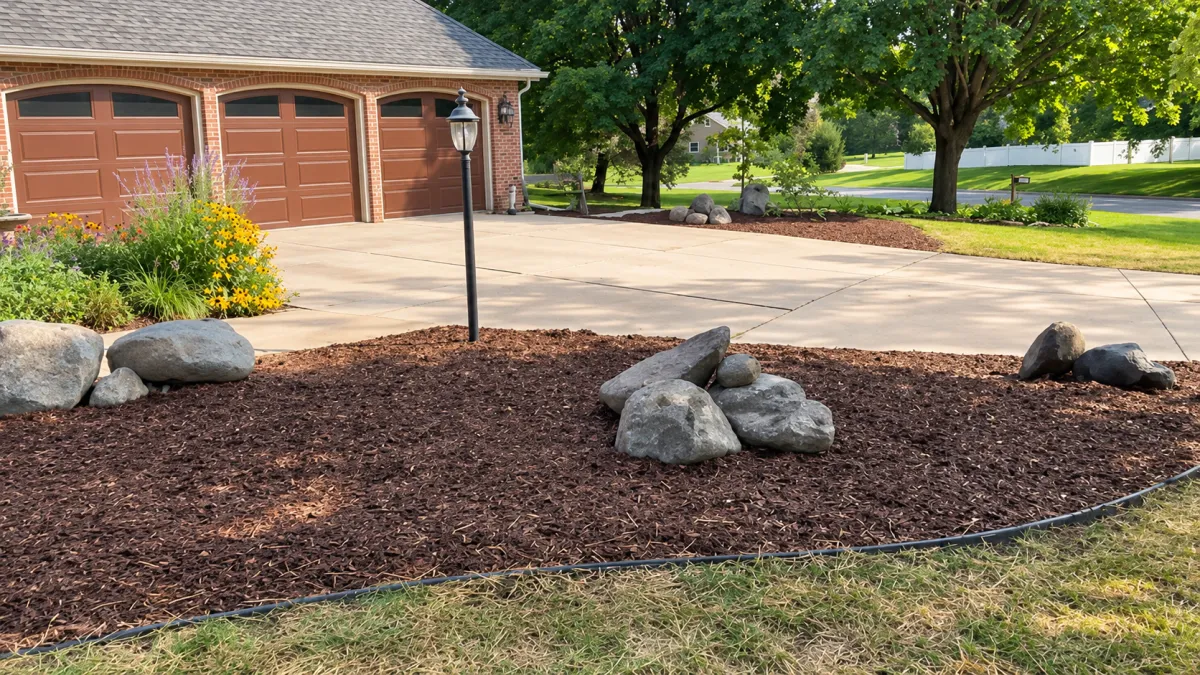
Mulch Installation
Laying mulch in garden beds.
Ready for a yard that holds up?
The plants get all the attention, but sun, soil, and drainage decide what’s still alive in year three.
Why New Landscaping Struggles in Wisconsin
A yard that looks full and healthy in the first season can decline fast if it wasn’t matched to the site.
What that decline looks like:
- Plants chosen for looks alone, not sun or soil conditions, that struggle or die within a year
- Drainage issues that weren't addressed before planting, drowning root systems
- Grading that pools water against the foundation instead of away from it
- Soil that was never amended before anything went into the ground
Notice that three of those four have nothing to do with plants. Drainage, grading, and soil get sorted first, and then the planting decisions get made against what the site can support rather than what looked good at the nursery. That order is the whole difference between a yard that fills in and one you're replanting next spring.
Ready to talk about your yard?
Call Madison Green Team at (608) 573-8889 or request a free quote online. Serving Verona, Madison, Middleton, Fitchburg, Sun Prairie, Waunakee, Cross Plains, and Mount Horeb.
HOW WE BRING YOUR OUTDOOR
VISION TO LIFE
Get in Touch
Call (608) 573-8889 or use the contact form to tell us about your project.
Plan & Design
We walk your property, talk through what you want, and give you a real quote.
Build & Maintain
We do the work, and we’re still around after if you need anything.
Landscaping Across Verona, Madison & Dane County
We build landscaping for homeowners in Madison, Verona, Middleton, Sun Prairie, Waunakee, Fitchburg, Mount Horeb, Cottage Grove, McFarland, Oregon, Stoughton, DeForest, and Cross Plains. Same crew, same standards, wherever the job is.
- Madison
- Verona
- Middleton
- Sun Prairie
- Waunakee
- Fitchburg
- Mount Horeb
- Cottage Grove
- McFarland
- Oregon
- Stoughton
- DeForest
- Cross Plains
Landscaping Questions
When is the best time to plant in Wisconsin?
The best time to plant in Wisconsin is spring or early fall. Cooler temperatures and steadier rain let roots settle in before summer heat or the winter freeze. Midsummer planting can work, but it needs a lot more watering.
How deep should mulch be?
Mulch should be about 2 to 3 inches deep. Any thinner and weeds come through; much thicker and it can hold too much water around the roots. Keep mulch pulled back a few inches from tree trunks and plant stems.
What plants do well in Madison’s clay soil?
Many native plants handle clay well, including coneflower, black-eyed Susan, bee balm and switchgrass. Sun and drainage matter as much as soil, so we match plants to each spot in the yard instead of using one list for every yard.
How often does mulch need to be replaced?
Mulch usually needs topping up every year or two as it breaks down. A thin fresh layer over what’s already there is often enough; it rarely needs to be removed completely.
Contact Us
Monday-Saturday: 7:00AM - 6:00PM
Closed Sunday
Facebook
Instagram
TikTok