
Landscaping & Hardscaping in Madison, WI
Working Madison yards since 2010, on soil that holds water and housing stock old enough to prove it.

Madison sits on the glaciated side of Dane County, which means clay and silt loam under most of the city. That soil holds water instead of shedding it. On a flat lot near the lakes it pools. On an older near-west or near-east property it has already been working on the original walkway for eighty winters. Most of what we get called about in Madison comes back to water that has nowhere to go.


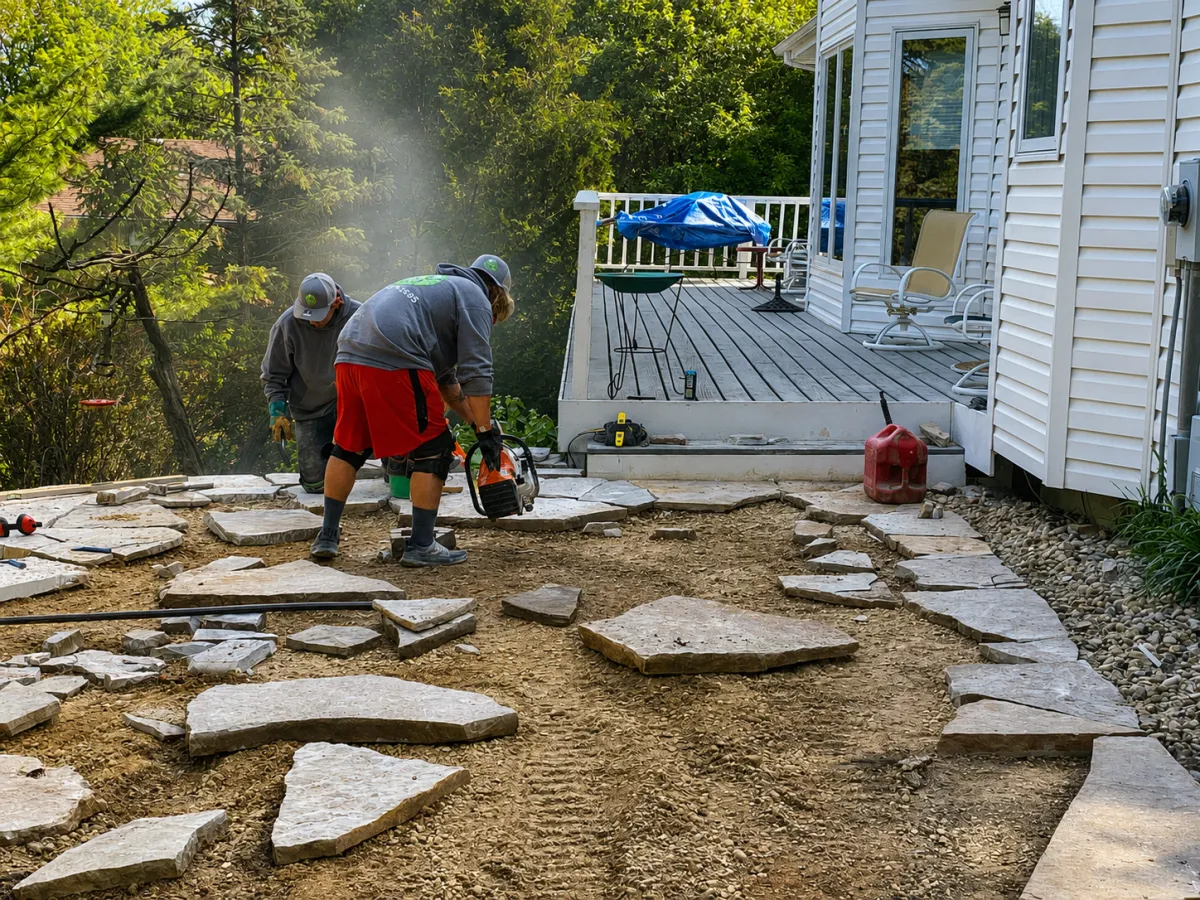
Ground Conditions
What Madison Yards Are Actually Dealing With
Clay that holds water. Glaciated soil drains slowly. Water that would disappear in a Mount Horeb yard sits in a Madison one.
Older housing stock. Large parts of the near-west and near-east sides were built before the war. Original concrete walkways and front steps have been through eighty freeze-thaw cycles, and it shows.
Small lots. City yards are narrow, fenced, and hard to reach with equipment. That changes what a project costs and sometimes what's possible.
High water near the lakes. Properties close to Mendota or Monona sit on ground that doesn't need much rain to become saturated.
What We Get Called For Most in Madison
Yard grading & drainage. The most common Madison call. Clay plus a flat lot plus a downspout dumping at the wall.
Walkway installation and outdoor step construction. Replacing original concrete that has heaved out of level.
Paver patio construction. Built for small city yards where access is tight.
Retaining walls. Less common in Madison than in Verona or Middleton, but the older east-side lots have their share of grade changes.
Snow removal. City sidewalk ordinances have teeth. See sidewalk snow removal.
Top Services for Madison
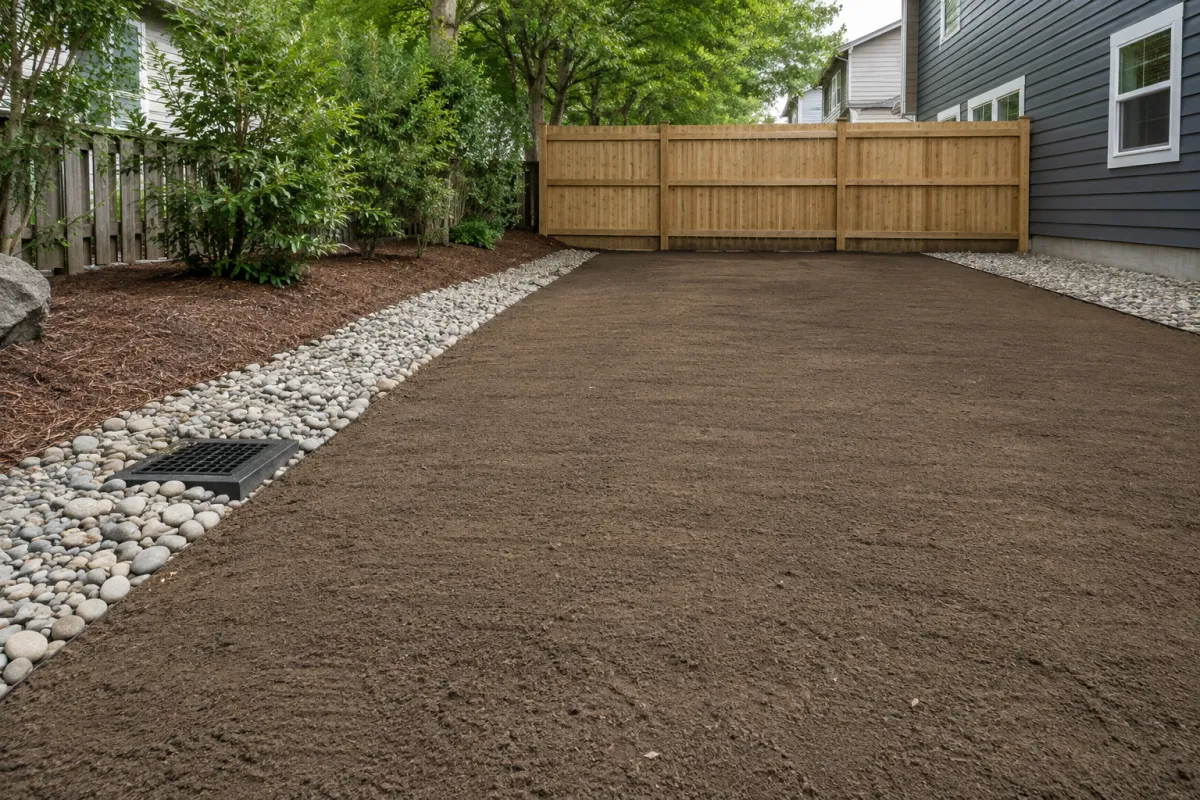
Yard grading & drainage
Managing water flow in a yard to prevent pooling, flooding, or erosion.
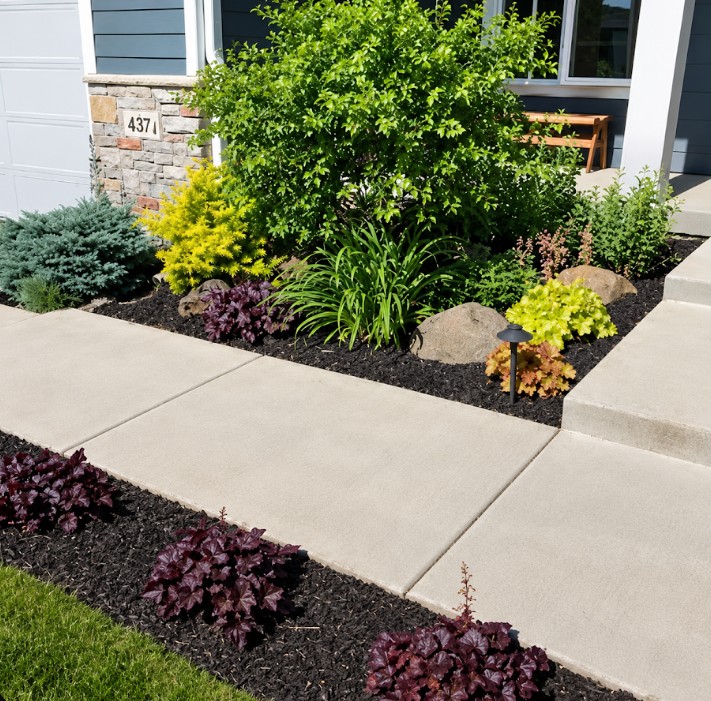
Walkway installation
Installing paths for walking through a yard or garden.
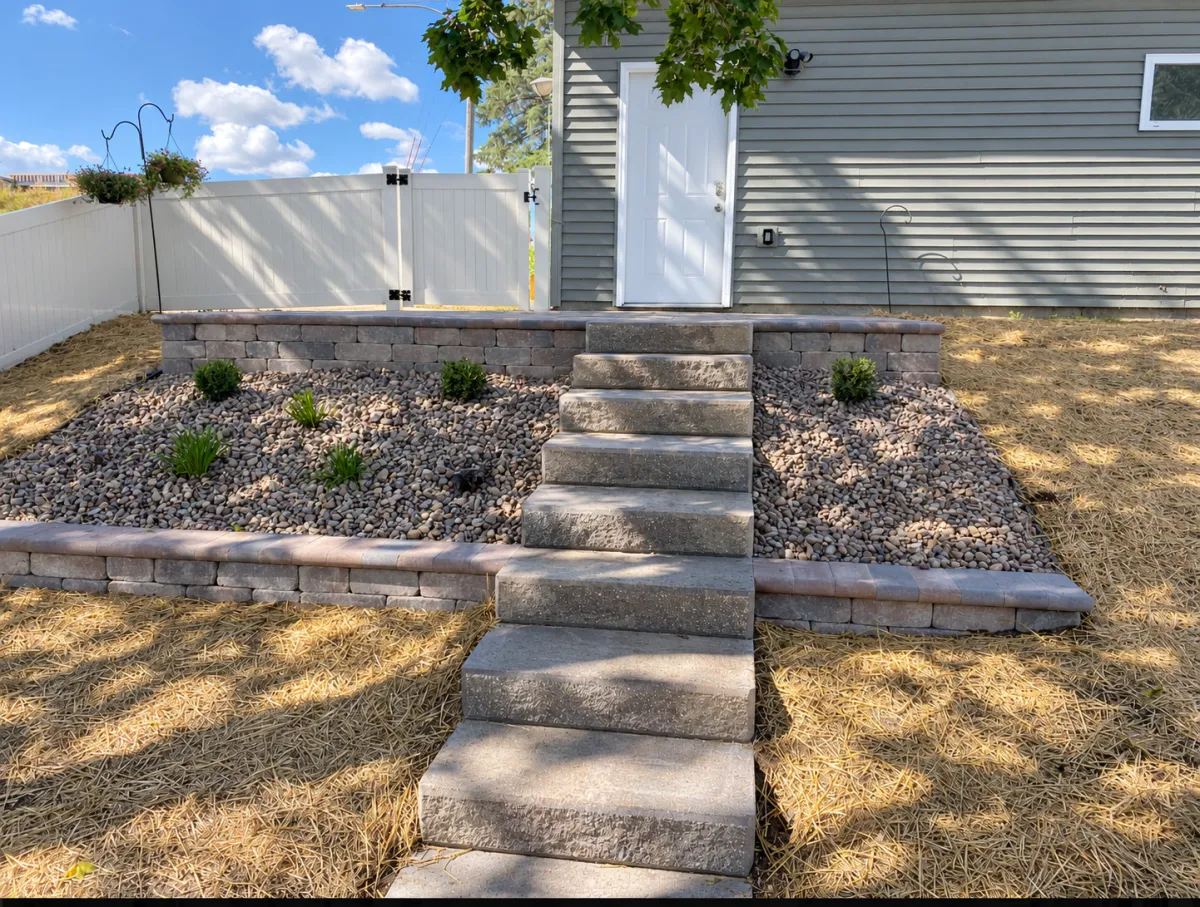
Outdoor step construction
Building steps for outdoor areas, usually stone or concrete.
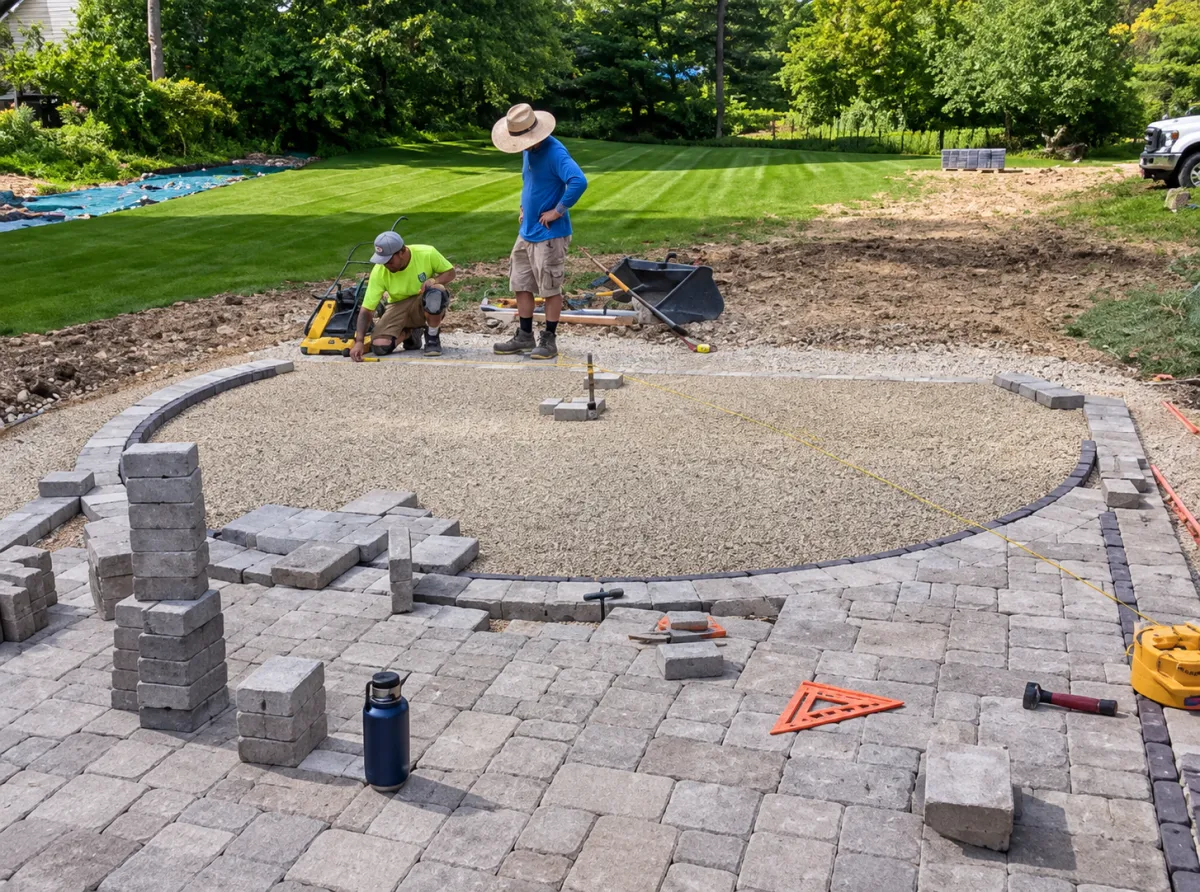
Paver Patio & Patio Installation
Building a patio using individual pavers (stone/concrete blocks).
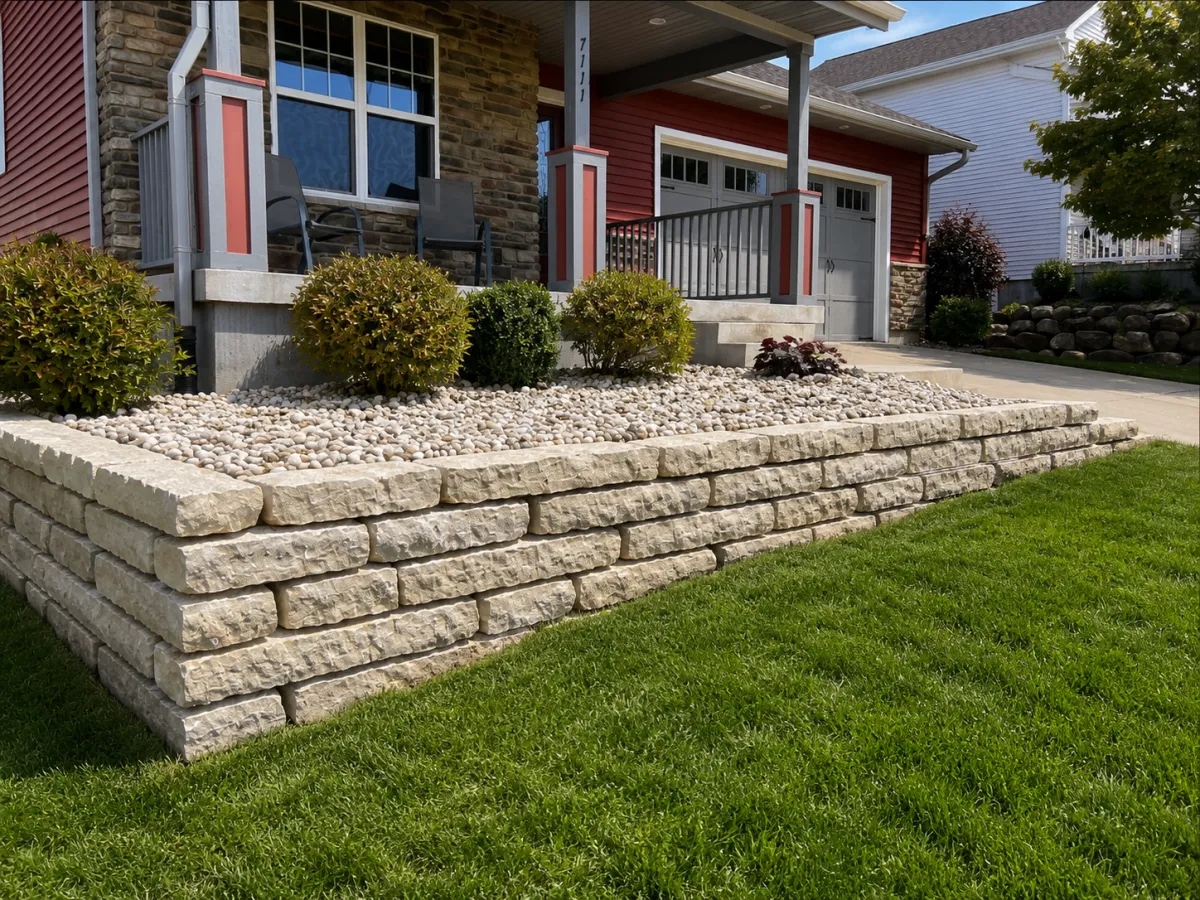
Retaining Walls
Building or repairing walls that hold back soil on sloped yards.
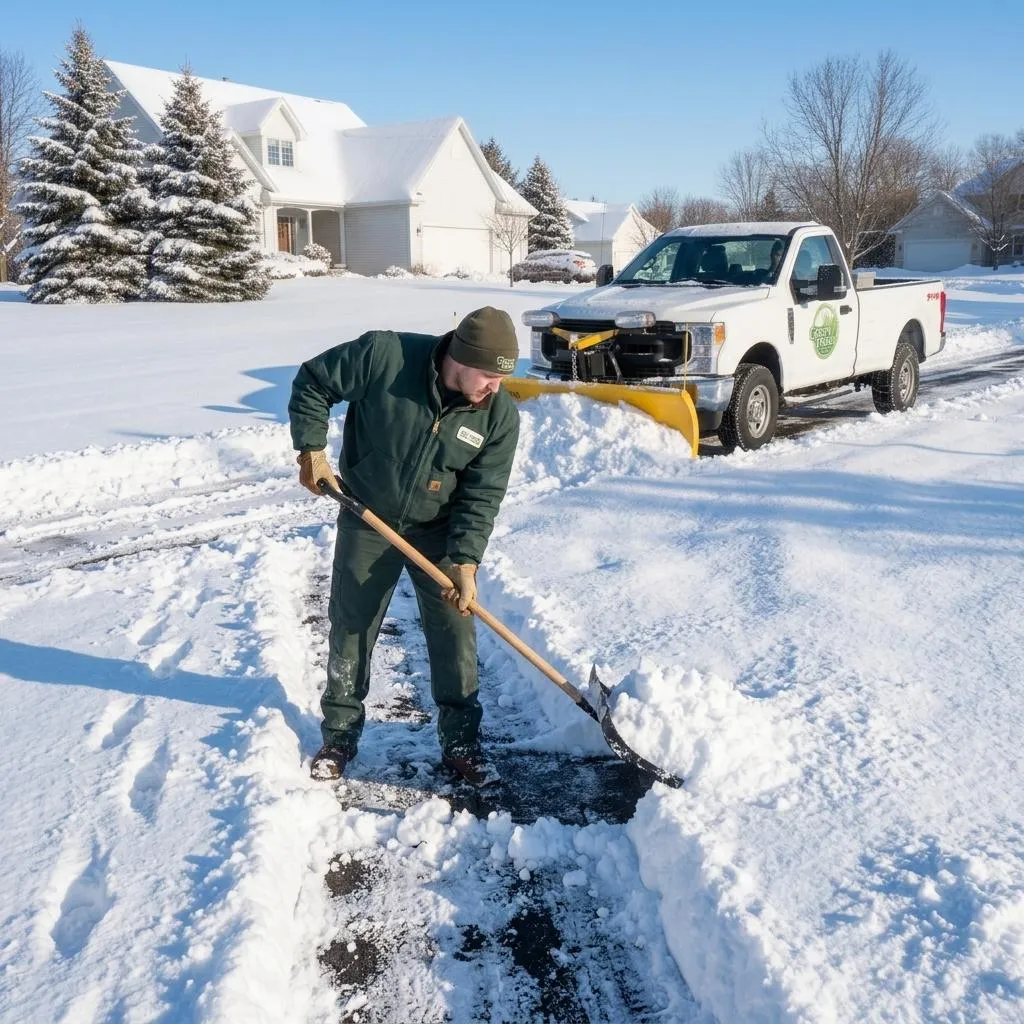
Snow Removal
Clearing snow and ice from driveways, sidewalks, and lots.
Why Madison Patios Sink and Madison Basements Get Wet
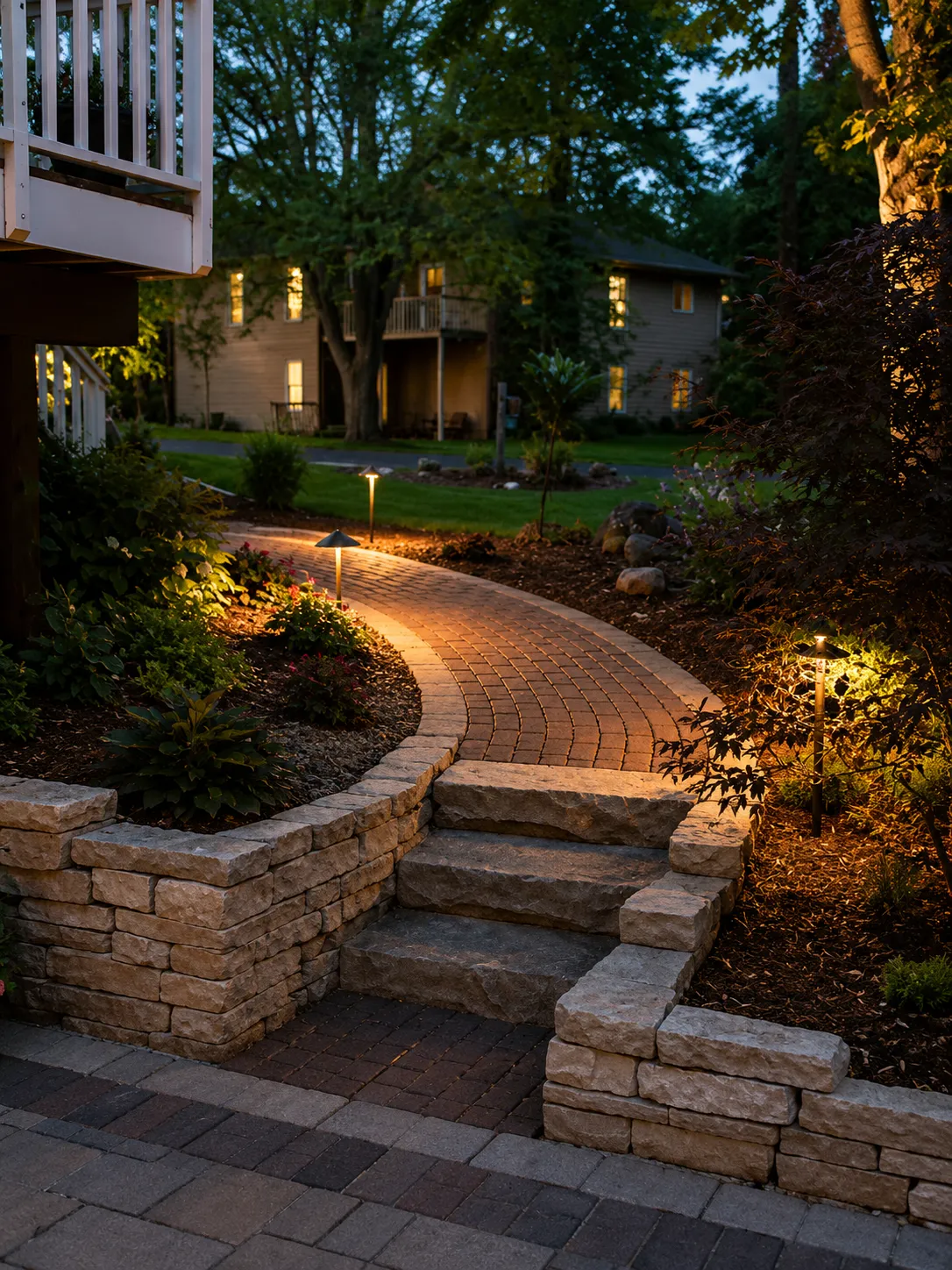
Clay does two things badly. It holds water, and it moves when that water freezes.
A patio built on a shallow base over Madison clay traps water underneath. The water freezes, expands, and lifts the surface. It thaws and the surface drops, but not evenly and not all the way back. Do that four or five winters running and you get a patio that pools at one corner and a walkway that has a lip somebody will catch a toe on.
The same soil is why so many Madison basements are damp. Water that can't soak away moves sideways, and clay next to a foundation wall is a poor place for it to end up. Half the drainage work we do in the city is water that was never routed anywhere in the first place, just dropped at the wall by a downspout and left to find its own way.
How we build: Fixing it isn't complicated. It's grading, base depth, and giving the water a destination. It just has to be done before the patio goes on top, not after.
Working on a Madison Yard This Year?
We'll walk the property, tell you where the water is going and where it should go, and give you one written number. Call Madison Green Team at (608) 573-8889 or request a free quote online. Based in Verona, twenty minutes from most of the city.
HOW WE BRING YOUR OUTDOOR
VISION TO LIFE
Get in Touch
Call 608-573-8889 or use our contact form to tell us about your project.
Plan & Design
We assess your property, discuss your needs, and provide a detailed design or service plan.
Build & Maintain
Our team completes installation or maintenance, keeping your landscape beautiful and functional.
Our Dane County Landscaping Service Areas
Based in Verona, we serve Madison, Middleton, Sun Prairie, Fitchburg, Waunakee, Mount Horeb, Cross Plains, and more.
Not sure if we cover your area?
Give us a call - we likely do.
Madison Landscaping Questions
Why does water pool in my Madison yard after it rains?
Most of Madison sits on clay and silt loam left by the glaciers, and that soil holds water instead of letting it soak away. On a flat lot, or near Lake Mendota or Monona where the ground is already close to saturated, the water has nowhere to go. The fix is usually grading so water runs away from the house, sometimes with a drain to carry it off.
Can I landscape the terrace between my sidewalk and the street?
Yes, you can landscape the terrace, within the City of Madison’s terrace rules. The terrace belongs to the city, so plantings are allowed, but raised beds can be no more than 12 inches high and must sit at least 12 inches from the sidewalk and 18 inches from the curb, and plants near intersections have a 30-inch height limit. Paving or a walk in the terrace needs a street terrace permit from the city first.
How tall can a retaining wall be in Madison?
In the City of Madison, a retaining wall follows the same height rules as a fence, measured from the natural grade to the top of the wall, so walls near a property line have limits. Taller walls, or walls holding up a driveway, may also need an engineered design. We handle permits for projects that need them and check the rules for your lot before quoting.
Can the original concrete walkway or steps on an older Madison home be repaired?
Original concrete walks and steps on older Madison homes can sometimes be repaired by resetting one heaved section. But after decades of freeze-thaw, most original walks and steps have shifted along their whole length because the base underneath has moved. Rebuilding them on a properly compacted base is usually the fix that lasts, and we’ll tell you which one yours needs after seeing it.
Can you work in a small, fenced Madison yard?
Yes, small and fenced Madison yards are a regular part of the work. Narrow side yards and fences limit what equipment can get in, so the project is planned around access from the start. That can change how a job is done and what it costs, and we explain that in the quote rather than after.
Contact Us
Monday-Saturday: 7:00AM - 6:00PM
Closed Sunday
Facebook
Instagram
TikTok